Know what’s worth the ask.
Look at the brand’s goals, the audience and the alternatives. Find a reason for the partnership to happen and the evidence to support it.
Research the opportunity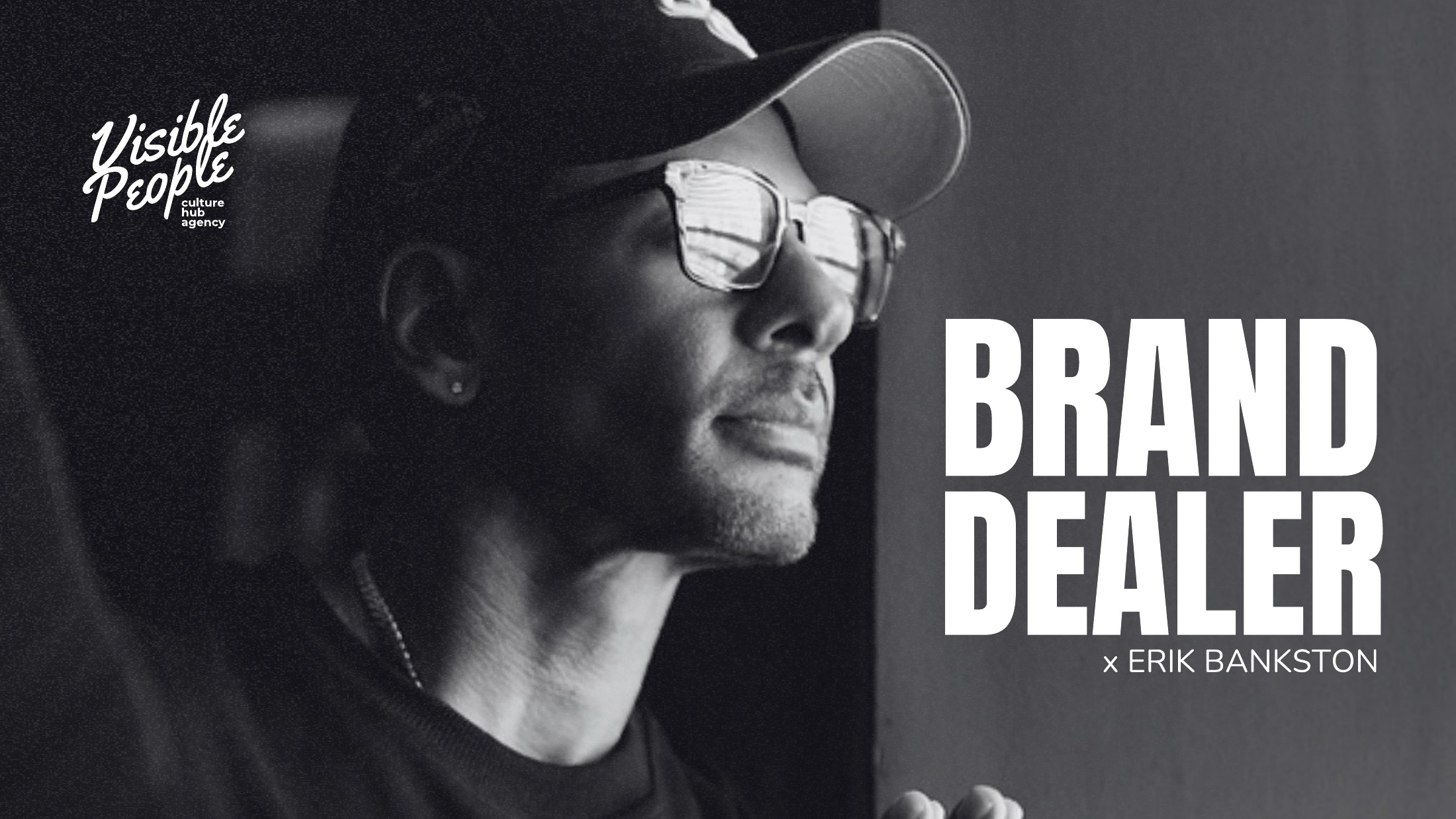
Learn how brand partnerships work across sports, entertainment and media. Find the right opportunity, build a proposal people understand and work through the decisions that get a deal signed.
Explore the courseExplore the business behind partnerships in sports, entertainment and media. Learn how to give the right people a reason to move your idea forward.
Work through a partnership from your side of the table. Understand the business, build a proposal you can stand behind and make the ask with a clear next step.
See your path to the dealLook at the brand’s goals, the audience and the alternatives. Find a reason for the partnership to happen and the evidence to support it.
Research the opportunityHelp people see why these partners belong together. Build a story around the business goal, the audience and an idea you can deliver.
Build the proposalUse research tools, AI and a contact tracker to compare options, prepare your pitch and keep the conversation moving. Know what needs a human check.
Put your tools to workFind who can approve the deal. Work through the price, permissions and commitments, then deliver the work that earns the next conversation.
Work through the terms$112.5B
Estimated global sponsorship investment.
$129.4B
Global sponsorship investment expected by year-end.
15% above the 2025 estimate.
51.5%
of the brand representatives surveyed plan to spend more on sponsorships in 2026/27.
Based on an international industry survey.
The global figures are sponsorship market estimates. The 2026 figure is a year-end forecast. The 51.5% figure describes surveyed brand-side buyers planning to increase spending in 2026/27; it is not a forecast of market growth. The industry survey included 204 participants across more than 23 countries. This percentage reflects the plans of brand-side sponsorship buyers, not confirmed spending.
Global market estimates · Buyer surveyFind your place in the business: manage partnerships for a brand, earn revenue from rights and experiences, or get paid to bring partners together and deliver the deal.
Where do you sit at the table? Choose your role to see how the course applies to the decisions you’ll make.
Learn to choose partners that serve your business goals, build the case for approval and know what the investment needs to deliver.
One course. Three perspectives. Understand your role and what the people across the table need to say yes.

In brand partnerships
In closed agreements
His counterparties include








Learn the approach Erik has built over 25 years in brand partnerships.
His work brings together brands, talent and rightsholders, with more than $100 million in closed agreements.
Understand what both sides want to accomplish. Find the right partner, build an offer that works for both sides and deliver what you promised.
10 chapters. What you’ll learn, and what you’ll do with it.
Find your place
Understand the business, choose your role and identify who needs to be involved.
Find the decision-makers
Map who controls the budget, approves the proposal and signs.
Define the offer
Understand rights and IP, develop pricing and use AI to organize the offer.
Research the fit
Find promising partners, use AI to support your research and make an informed approach.
Start the conversation
Use The Tools of the Trade to organize contacts, prepare outreach and follow up.
Build the proposal
Turn your idea into a persuasive story, a clear offer and a plan the brand can evaluate.
Lead the conversation
Rehearse with AI, present the proposal, handle objections and agree on next steps.
Negotiate the agreement
Negotiate the scope, protect the value and know what needs to happen before signing.
Deliver and renew
Manage delivery, report verified results with AI support and plan the renewal conversation.
Own your next move
Manage multiple opportunities, defend the final project and answer What? So What? Now What?
Explore partnerships across sports, entertainment and media through campaign examples and current industry reports. Understand what brands buy, how partnerships come to life and what makes an opportunity worth pursuing.
Bring your own project or start with a course example. Each chapter adds something you can use, from your first contact to your final proposal.
10 chapters · 88 lessons · 10 practical exercises
Find your place in the partnership business.
See how a brand, a rights holder and an agency turn an opportunity into a deal. Learn why brands invest, what each side brings and where your own skills can create value.
Understand what brands want from a partnership, from reaching new customers to growing sales or building loyalty. Learn to connect an opportunity to a business goal, wherever you sit at the table.
Follow the six stages: idea, partner match, terms, signature, delivery and renewal. Know what needs to happen before moving to the next step.
Get comfortable with 30 terms you’ll hear in the business, including activation, exclusivity, IP and pricing benchmarks. Understand what they mean and when they matter, with a glossary you can return to.
Explore Erik’s approach to building value for both sides. See how a partnership connects the brand’s goals with what a partner can offer, and what makes the relationship worth continuing.
Explore careers inside brands, income from rights and experiences, and agency work. Understand how salaries, rights fees, service fees and agreed commissions relate to your role.
Identify which team could fund the opportunity: marketing, sales or another business unit. Connect the proposal to that team’s goals, whether you work inside or outside the brand.
Recognize the value in your audience, content, rights or experiences. Identify what you can offer and what needs permission before it goes into a deal.
Find the people who back the idea, control the budget and authorize the agreement. Understand the roles of brand managers, CMOs, VPs and presidents so you know whose support to secure.
Understand how agencies and independent dealmakers find partners, shape offers and move agreements forward. Define the work behind an introduction and how it can be paid.
Complete your Role Sheet: your role, the value you bring and your next contact. Identify the internal route if you’re the brand, a brand contact if you hold rights, or both sides if you’re the agency. Use your own project or a course example.
Get your idea in front of the people who can move it forward.
Learn who controls the budget, whose approval matters and when the money becomes available. Build a clearer route from an interested contact to a decision.
Identify who reviews, recommends, approves or could block the proposal. Separate these responsibilities so you know whose support your deal needs.
Learn how to ask who owns the decision and what approval requires. Recognize when your contact can move the deal forward and when you need someone else in the conversation.
Understand budget planning and spending windows. Decide when to make the ask, follow up or prepare for the next funding cycle.
Map the route from brand manager or partnership lead to the relevant CMO, VP or president. Confirm who approves spending and who can sign for this deal.
Identify the creative, media, PR and social teams around the brand. Work out who could support your proposal and what they need to see.
Confirm who controls the budget, rights and promised work. Identify missing permissions before either side commits to delivery.
Check which spaces, experiences and commercial rights the partner controls. Spot existing agreements that could restrict the offer before taking it to a brand.
Follow Erik’s Wrigley sequence: brand first, support for the idea, then the partner. Use the case to decide the right order for your own approach.
Study Bad Bunny × Corona and Wrigley × the Mexican Football Federation with Erik. Trace the people and approvals involved on the way to signing.
Build approval maps for the brand and rights holder. Name who controls the budget or rights, who approves and who signs. Use a real or practice deal; finish with your next contact and the questions you still need answered.
Build an offer you can explain and price.
Understand what goes into a partnership, from content and experiences to usage rights and IP. Learn what supports the price and how to put the offer on paper.
Build an offer from content, experiences, services and intellectual property (IP), such as names, images and music. Understand what you can include, what needs permission and how cash or in-kind contributions fit.
Separate publishing content from permission to use it in advertising. Explain how each use affects the offer and its price.
Look beyond audience size to understand who the brand wants to reach. Use location, interests and engagement to explain the fit and support your proposal with relevant evidence.
Use comparable deals and industry reports to understand pricing. Learn how rights, reach, duration and partnership level affect value, and recognize the difference between an estimated price and a confirmed one.
Set your minimum, opening price and a higher target you can justify. Know what each includes before discussing a smaller budget.
Turn the brand’s goals into a clear brief. Separate essential elements from optional extras so potential partners can build a relevant offer.
Turn your notes into a list of activities, content and permissions with a guided prompt. Check every item and flag anything that still needs approval.
Separate confirmed prices from estimates and unresolved approvals. Explain how your agency fee or commission fits into the total deal.
Explore partnerships across sports, entertainment and media. Identify the rights, customer benefits and delivery work behind the campaign, then see what that means for an offer of your own.
Prepare a priced offer if you’re selling, a buying brief if you’re the brand, or both if you’re the agency. Include audience evidence, planned uses and open questions. Use AI to organize the draft, then verify every item.
Walk into the conversation with a reason to be there.
Use brand research, current industry reports and AI to spot a potential fit. Learn to turn market information into a clear reason to approach the right partner.
Build a clear picture of a potential partner before the first conversation. Learn which sources to trust, what the evidence supports and which questions are still worth asking.
Work backward from the launch or event date. Allow time for approvals, contracts and production to decide when conversations need to start.
Read partnership reports to see which brands are active, where they invest and what they buy. Use category and market patterns to identify opportunities worth a closer look.
Research its advertising, media, PR and social agencies. Identify how your idea could fit their work and who could help you move forward.
Spot unmet audience needs and opportunities within a brand’s existing partnerships. Test the fit against available rights, reputation and delivery capacity before putting your name behind the idea.
Check whom the agency represents, what it handles and how it gets paid. Prepare questions that establish its role in your deal.
Use AI to organize research, compare potential partners and prepare better questions. Learn how to check sources and claims so your recommendation holds up in the room.
Turn your research into one clear reason to connect. Explain how the opportunity could help the brand and what you still need to confirm.
See how findings from recent partnership reports can shape your approach. Turn a useful market insight into a relevant conversation for the brand, rights holder or agency.
Compare three potential partners using audience fit, category activity, available rights and delivery capacity. Separate facts from assumptions. Choose one and explain why the opportunity deserves a conversation, including the evidence you still need.
Make an introduction that opens a business conversation.
Get clear on what you offer and how to communicate it. Use The Tools of the Trade to find contacts, make the ask and follow up with purpose.
Review your profile and work through a potential partner’s eyes. Make your experience easy to understand and consistent with your introduction.
Explain whom you help, what you do and why it matters to this opportunity. Practice an introduction someone else could confidently pass along.
Choose relevant work, results or a clearly labeled practice case. Describe your contribution accurately, even if you’re new to partnerships.
Use your experience in retail, sports, food, entertainment or another field. Identify familiar audiences and businesses where you could spot a relevant partnership.
Put public research, AI and a contact tracker or CRM to work. Build a simple system for finding opportunities, preparing outreach and following up, with tools you can use as you get started.
Write a message with a clear reason to connect and a specific next step. Practice the same approach in person and decide when to follow up.
State your company’s goals, budget status and approval process. Give potential partners enough information to decide whether to continue the conversation.
Make clear whom you represent, what you can offer and what still needs permission. Help the brand understand the opportunity from the first conversation.
Clarify whom you represent, what you will do and how you will be paid. Put responsibilities and fee arrangements in writing early.
Create a one-page introduction, first outreach message and 90-day action plan. Set up a contact tracker or CRM with follow-ups. Use AI to refine your messages, then check their accuracy and voice.
Make the opportunity easy to understand and worth considering.
Use The Art of Storytelling to connect the brand’s goals with your idea. Bring it to life through concept visuals, a practical activation plan and a budget that covers the work.
Learn the questions that uncover the brand’s goals, audience, budget and expectations. Agree how success will be assessed so your proposal answers the brief from the beginning.
Find the connection between the brand’s goals and the audience’s interests. Use that insight to explain why your proposed partnership makes sense.
Show why the partnership deserves a place in the budget. Compare its audience, benefits and full cost with other options, and build a recommendation the brand can take into an internal conversation.
Turn your research into a story that makes the opportunity easy to see. Connect the business goal, audience insight and creative idea with evidence that gives your proposal credibility.
Explore how partnerships become content, customer benefits and live experiences. Use AI to visualize your concept, then build an activation plan with the people, permissions and full budget needed to deliver it.
Turn the proposal into a recommendation for finance, legal and purchasing. Make the expected benefits, full cost, responsibilities and unresolved questions easy to evaluate.
Translate your audience, content or experience into something the brand can use. Learn to explain how your offer serves its customers or business, with examples beyond talent and festivals.
Explain the opportunity in terms each partner understands. Keep scope, costs and commitments consistent, with confirmed points and open questions clearly separated.
See a proposal through the buyer’s eyes. Compare the story, audience fit, rights, cost and delivery plan so you can strengthen your own pitch and recognize an offer worth pursuing.
Build a proposal with the story, concept visuals, activation plan and full budget. Include success measures and compare it with an alternative. Explain your recommendation, verify AI-assisted claims and list the questions that need an answer.
Lead the meeting toward a useful next step.
Learn to present your proposal, listen for what matters and handle the questions that affect the decision. Practice the conversation from every side of the table.
Choose a realistic outcome, such as feedback, budget confirmation or agreement on next steps. Prepare the questions you need answered to get there.
Listen for concerns, questions and missing information. Check what people mean before treating enthusiasm as approval or silence as rejection.
Present enough to start a useful discussion. Practice listening and adjusting your proposal while keeping the meeting’s purpose clear.
Find out what is holding the decision back when price, timing or results become a concern. Practice responses with AI and learn when to offer evidence, adjust the proposal or ask another question.
Question audience claims, delivery plans and costs. Ask for evidence that helps you judge whether the partnership fits your company’s goals.
Explain what the price includes when a brand asks for a discount or extra work. Evaluate what would change before offering a concession.
Confirm the brand’s interest, budget and approval route before introducing a partner. Describe what is agreed and what remains to be explored.
Guide a meeting with several teams and competing priorities. Clarify responsibilities, summarize agreements and make your own role clear.
Write a follow-up that captures decisions, open questions, owners and dates. Give everyone a specific action to move the deal forward.
Record a practice meeting and try the brand, rights holder and agency perspectives. Use AI rehearsal and feedback to prepare, then review the recording and write a follow-up with clear next steps.
Turn interest into terms both sides can agree on.
Understand what the agreement commits you to, negotiate with clear priorities and protect the value of the deal. Know what needs to happen before anyone signs.
Distinguish a discussion, a proposal and a binding agreement. Identify what needs clarification before work starts or money is committed.
Understand rights, exclusivity, territory, duration, payment and approvals. See how each term changes the value or work involved, and recognize the questions to bring to legal review.
Define the competitors, products, locations and time periods covered. Weigh its value to the brand against opportunities the rights holder would give up.
Set clear reviewers, response times and revision rules for content and designs. Check whether the approval process fits the delivery schedule.
Map who invoices whom, when payments fall due and what triggers them. Understand how deposits, milestones and cancellation terms affect delivery.
Identify legal review, purchasing, supplier setup and insurance requirements. Communicate them early so both sides can prepare for the remaining steps.
Learn what to offer when the other side wants more. Weigh scope, usage and exclusivity before discounting, prepare alternatives and set limits you can stand behind.
Clarify responsibilities, fees and commissions. Check how payment, cancellation and renewal terms affect your compensation before the agreement is signed.
Bring the final scope, price, permissions and payment terms into agreement. Confirm approvals and authorized signers, then prepare a clear handoff so everyone knows what happens after the signature.
Review a sample agreement and prepare your negotiation worksheet. Show proposed trades, your limits and questions for legal review. Finish with a closing checklist covering approvals, signatures, payment and the delivery handoff.
Deliver the work and build the case for what comes next.
Manage commitments, track results and handle changes as the partnership runs. Learn to report what happened and make a sound recommendation about working together again.
Use the first 72 hours to confirm owners, deadlines and priorities. Organize the agreement, files, contacts and payment requirements for the delivery team.
Measure performance against the goals you agreed on. Understand ROI and other success measures, distinguish visibility from business results and explain what the available evidence can support.
Collect approved content, photos, performance data and delivery records. Keep dates and sources attached so reporting starts with evidence you can trace.
Document the gap and explain its impact. Consider a replacement benefit, revised timing or another agreed remedy. Confirm the other side’s approval before changing the promised work.
Use the Madison Square Garden case to practice responding to disruption. Check commitments, assign immediate actions and identify who can authorize the response.
Compare results with agreed goals and explain gaps. Use AI to organize verified data, then check calculations and conclusions before presenting the report.
Track approvals, revisions and additional work. Identify changes to scope and agree on cost or timing before taking them on.
Use results and partner feedback to make the next conversation count. Learn when to recommend renewal, improve the offer or move on, with lessons from publicly documented partnership extensions.
Use a clearly labeled practice dataset to compare promised work, delivered work and results against the starting point. Check AI-assisted calculations. Prepare a renewal recommendation with supporting evidence, remaining questions, dates and owners.
Leave with a complete deal file and a clear next move.
Bring the course together in a proposal you can defend. Learn to manage several opportunities, understand your own business numbers and decide which deal deserves your time.
Track exclusivity, deadlines and promised work across your partnerships. Check for conflicts before accepting another opportunity.
Estimate the time, people and resources each deal requires. Identify where you need help and how many partnerships you can realistically manage.
Weigh income against costs, time and responsibilities. Consider dependence on one partner when deciding which opportunity to pursue next.
Review partnerships together to spot overlap, gaps and competing priorities. Decide which relationships to continue, adjust or end.
Plan how to work with several brands over time. Match new opportunities to your capacity and the commitments you have already made.
Estimate the cost of finding, negotiating and supporting a deal. Assess how fees, commissions, payment timing and extra help affect your business.
Bring together your research, proposal, price and delivery plan. Explain why the partnership makes sense, support your decisions and use feedback to strengthen the offer.
Use feedback to revise your final proposal. Identify what is ready, what needs more research and the next action you will take.
Present your complete deal file: research, proposal, negotiation notes and delivery plan. Answer: What is the deal? So what makes it worth doing? Now what happens next, who is involved and when? Use your own opportunity or a practice case. Leave with your revised file, presentation recording and next action.
Closed mouths don’t get fed. Make the ask. Make the deal.